
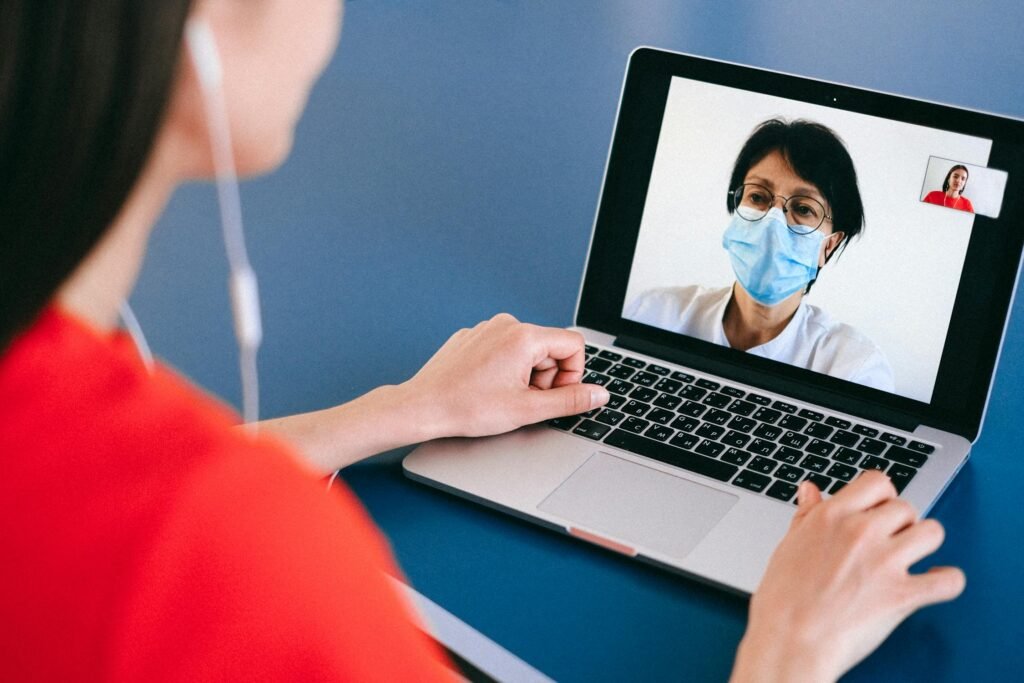
The way people access therapy has changed dramatically in recent years. While in-person sessions were once the only option, online therapy has become a mainstream alternative that millions of people now prefer. But which one is actually better?
The truth is, both formats have unique strengths. The right choice depends on your personal needs, lifestyle, and preferences. Here is an honest comparison to help you decide.
What Is Online Therapy?
Online therapy, also called teletherapy or virtual therapy, is when you meet with a licensed therapist through video calls, phone calls, or messaging platforms. You attend sessions from wherever you are — your home, office, or even while traveling.
Online therapy is not a new concept, but its adoption accelerated significantly in recent years. Today, it is offered by thousands of licensed therapists worldwide and is recognized as a legitimate and effective form of treatment.
Benefits of Online Therapy
Convenience and Accessibility
The most obvious advantage is convenience. There is no commute, no sitting in a waiting room, and no need to rearrange your entire day around an appointment. You simply log in at your scheduled time from any private space.
This is especially valuable for people living in rural areas, those with mobility challenges, or anyone with a packed schedule. Online therapy removes the biggest barrier to getting help — access.
Wider Selection of Therapists
When you are limited to in-person sessions, your options are restricted to therapists in your geographic area. Online therapy opens up a global pool of professionals. You can find a therapist who specializes in exactly what you need, rather than settling for whoever is nearby.
Greater Comfort
Many people find it easier to open up from the comfort of their own space. Being in a familiar environment can reduce the anxiety that sometimes comes with visiting a therapist’s office for the first time.
Flexible Scheduling
Online therapists often offer more flexible hours, including early morning, evening, and weekend sessions. This makes it much easier to maintain a consistent therapy schedule alongside work, family, and other commitments.
Benefits of In-Person Therapy
Deeper Non-Verbal Communication
In-person sessions allow your therapist to pick up on subtle body language, gestures, and energy that might be harder to read through a screen. For some therapeutic approaches, this physical presence adds an important layer to the process.
Fewer Distractions
When you visit a therapist’s office, you are stepping into a dedicated space designed for focus and reflection. At home, distractions like notifications, family members, or household tasks can sometimes pull your attention away from the session.
Specific Treatment Needs
Certain therapeutic techniques, such as EMDR (Eye Movement Desensitization and Reprocessing) or some forms of somatic therapy, may work better in person. If your therapist recommends a specific approach that requires physical presence, in-person sessions might be the better fit.
What Does Research Say?
Multiple studies have found that online therapy is just as effective as in-person therapy for many common mental health concerns, including anxiety, depression, and stress. The quality of the therapeutic relationship — the connection between you and your therapist — matters far more than the medium through which the session happens.
That said, for severe mental health conditions or crisis situations, in-person care with a comprehensive support team may be more appropriate.
How to Decide What Is Right for You
Consider these questions:
- Do you have a reliable internet connection and a private space? If yes, online therapy is very practical.
- Do you prefer face-to-face interaction? Some people simply feel more connected in person.
- Is there a specific type of therapy you need? Check whether it is offered online.
- What does your schedule look like? If time is tight, online sessions offer more flexibility.
- Are there good therapists in your area? If options are limited locally, online expands your choices significantly.
Many people also take a hybrid approach — doing most sessions online and meeting in person occasionally. There is no one-size-fits-all answer.
The Best Option Is the One You Will Actually Use
The most effective therapy is the therapy you consistently show up for. If the convenience of online therapy means you are more likely to keep your appointments, then online is the better choice for you. If you find that being physically present in a room with your therapist helps you focus and engage, then in-person is your answer.
What matters most is that you start.
Ready to explore your options? Get early access to Aman and connect with licensed therapists who offer the session format that works for you — video, phone, or in-person.